
Rebuilding America’s Transit Experience Through Better Infrastructure

Across the United States, public transportation is undergoing a period of major transformation. As cities invest in modern mobility systems, sustainability initiatives, and expanded transit networks, attention is increasingly turning toward one critical factor that shapes public perception of transportation: infrastructure quality.
For passengers, the transit experience is about far more than simply getting from one destination to another. Every interaction, from arriving at a bus stop to navigating a station platform or accessing real-time travel information, contributes to how people experience public transportation as a whole.
Rebuilding confidence in America’s transit systems requires more than new vehicles or expanded routes. It requires smarter, safer, and more passenger-focused infrastructure designed around comfort, accessibility, reliability, and long-term urban mobility goals.
At Future Systems, infrastructure is viewed not simply as functional necessity, but as an opportunity to improve how communities connect, travel, and interact with public space.
Passenger Experience Shapes Ridership
Public transportation systems succeed when people choose to use them consistently and confidently.
While operational performance remains essential, the passenger environment plays a major role in influencing ridership growth. Poor waiting conditions, unclear wayfinding, inadequate lighting, and outdated infrastructure can discourage use even when transit services are available.
In contrast, modern and well-designed passenger infrastructure helps create a more welcoming and reliable experience.
This includes:
Modern, striking bus shelter designs
Accessible station environments
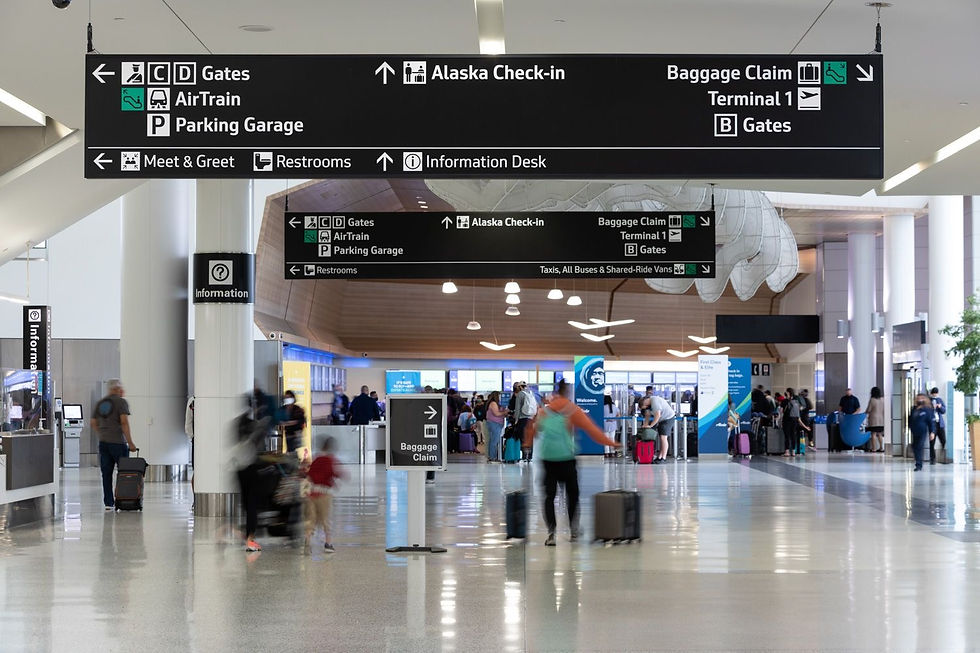
Clear wayfinding and signage
Safe lighting and visibility
Integrated mobility hubs
Weather protection
Digital connectivity
When transit infrastructure feels intuitive, safe, and well-maintained, passengers are more likely to view public transportation as a dependable part of daily life.

Infrastructure Is Central to Urban Mobility
Modern transit systems are increasingly integrated into broader urban mobility strategies focused on sustainability, accessibility, and reduced congestion.
Public infrastructure now plays a critical role in supporting:
Multi-modal transportation
First-mile and last-mile connectivity
Pedestrian movement
Cycling integration
EV charging infrastructure
Smart city technologies
Accessible travel environments
As transportation networks evolve, transit infrastructure must support seamless movement between different forms of mobility while maintaining clear and intuitive passenger experiences.
Well-designed infrastructure improves not only operational efficiency but also how cities function as connected environments.
Accessibility Must Be Built into Every Journey
Accessible transit infrastructure is fundamental to creating equitable and inclusive transportation systems.
Passengers with mobility challenges, visual impairments, sensory needs, or additional accessibility requirements rely on infrastructure that allows them to travel independently and safely.
Modern transit environments must prioritise:
Accessible transit shelters
Step-free access
Tactile guidance systems
Clear signage and wayfinding
Audible passenger information
Accessible seating areas
Safe platform access
Shelter from weather conditions
Inclusive design standards
Accessibility should never be treated as an afterthought. It must be integrated into every stage of infrastructure planning and delivery.
Creating more inclusive transit systems ultimately improves usability and convenience for all passengers.
Technology Is Transforming Passenger Infrastructure
Digital technology is rapidly changing how passengers interact with transportation systems.
Real-time passenger information, smart signage, interactive displays, and connected mobility systems now form a key part of modern transit infrastructure.
Passengers increasingly expect:
Live arrival updates
Digital wayfinding
Mobile integration
Contactless systems
Smart lighting
Emergency communication systems
Dynamic service information
These technologies help reduce uncertainty, improve operational communication, and create more efficient passenger movement across transit networks.
As smart city initiatives continue to expand across the United States, digitally integrated infrastructure will become increasingly essential to supporting future transportation systems.
Safety and Comfort Encourage Greater Transit Use
Passenger confidence is heavily influenced by how safe and comfortable transit environments feel.
Well-lit stations, visible public spaces, sheltered waiting areas, and intuitive layouts all contribute to stronger perceptions of safety and reliability.
Infrastructure that improves comfort and security can help:
Increase ridership
Reduce travel anxiety
Improve passenger satisfaction
Support nighttime transit use
Encourage public transport adoption
For many communities, rebuilding transit ridership depends not only on service frequency but also on creating environments where passengers feel welcomed and protected throughout their journey.
Sustainability and Resilient Infrastructure
Sustainability is now central to infrastructure planning across the United States.
Transit infrastructure is increasingly designed to support:
Low-carbon mobility
Sustainable materials
Renewable energy integration
Energy-efficient lighting
Durable long-life construction
Reduced maintenance requirements
Climate resilience
Modern public infrastructure must be capable of performing reliably under changing environmental conditions while supporting broader sustainability targets.
Investing in resilient infrastructure helps cities prepare for long-term population growth, evolving mobility demands, and future transportation technologies.

Infrastructure as Civic Identity
Transit infrastructure also plays an important role in shaping the visual identity of cities and public spaces.
High-quality passenger shelters, wayfinding systems, digital displays, and passenger environments contribute to how communities perceive their transportation systems and public realm.
Thoughtfully designed infrastructure can:
Enhance streetscapes
Improve public perception
Support placemaking initiatives
Strengthen civic identity
Encourage community engagement
As cities modernise transportation systems, infrastructure is increasingly viewed as part of the broader urban experience rather than simply operational equipment.
Building the Future of American Transit
The future of public transportation in the United States depends on creating systems that are efficient, accessible, connected, and passenger focused.
Rebuilding America’s transit experience requires investment not only in vehicles and operations, but also in the roadside infrastructure that passengers interact with every day.
From intelligent bus and BRT shelters, digital passenger information systems to accessible wayfinding and integrated mobility hubs, infrastructure plays a critical role in shaping the future of urban transportation.
At Future Systems, innovative transit infrastructure solutions are manufactured to support modern cities, transit agencies, and communities with durable, compliant, and passenger-focused environments that improve mobility, connectivity, and the overall public transportation experience across the United States.


